Which base product are you changing?
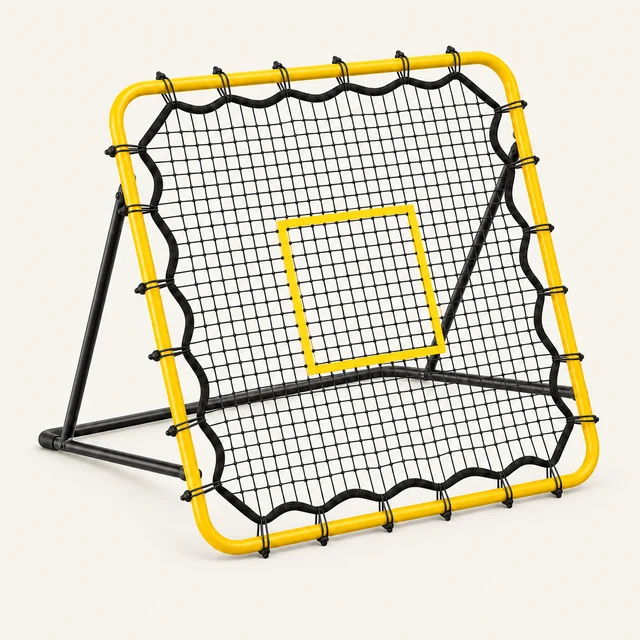
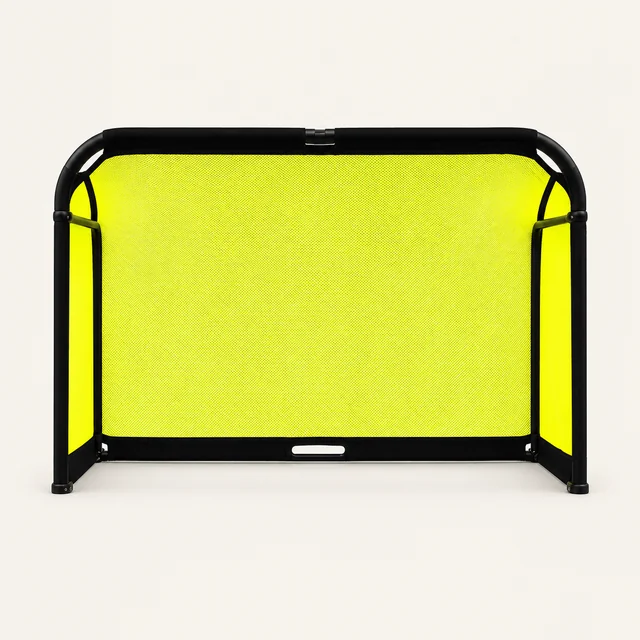
Start with a product reference and explain the intended sport and training task. A foldable football goal, a pitching target and an adjustable rebounder have different frames, attachments and support arrangements. The factory needs to know which existing design should be reviewed, even if the final product will look different.
Write down what should stay the same as well as what should change. You may want the existing frame layout with another finish, or a revised target panel on the same practice net. Keep the requested version visible in the brief so a colour change is not confused with a new size or construction.
How should dimensions and construction be specified?
Use a drawing or an annotated reference when position and fit matter. State your dimensions and units, then identify the opening, support footprint, attachment points and any adjustment required. Ask the factory to clarify measurements that are missing or ambiguous rather than transferring dimensions from a different product.
For a net change, describe the material, mesh and attachment arrangement you need reviewed. For a frame change, identify the relevant sections, joints or finish. A higher ply count or a different tube description alone does not establish suitability for your intended use. Ask which product information supports the configuration you are considering.
What artwork and packing details should accompany the brief?
Provide the logo artwork, preferred colours and the proposed branding positions. Explain whether you want branding on the frame, fabric border, target panel, carry bag or retail packaging. Mark any positions where the design might meet a joint, fixing or other functional part so the factory can review the placement.
Keep the pack contents with the artwork brief. Identify the net, frame, target and accessories that belong in one supplied set. Add the required retail presentation, labels and carton marks. If your artwork or packaging is still being developed, say which files are provisional and which details are ready for factory review.
How do the sample and approval stages fit together?
We can coordinate a sample request once the proposed version is clear enough to review. Agree what that sample should show and which points your team will assess, such as assembly, finish, target position or packing. Sample contents, costs and delivery arrangements are discussed before the request is placed.
Record the result against the product version: approved details, requested changes and questions still open. If the brief changes after sample review, ask whether another confirmation step is needed. Keep the final specification, agreed artwork and supplied-part list with the order so the factory and purchasing team are working from the same version.
A FEW USEFUL ANSWERS
Questions buyers ask
Can every listed net or goal be changed in the same way?
Options depend on the design and requested change. We can take the brief to the relevant partner factory and confirm feasibility and order conditions for that specific product.
Can I ask for a colour or logo change without changing the size?
Yes. Identify the base version and the parts to be branded or recoloured. Supply artwork and colour references so the factory can review a clearly defined request.
Will customisation change the order conditions?
It may affect quantities, costs, sampling or production arrangements. We will coordinate those questions with the factory before the proposed custom version is treated as agreed.
Who coordinates the work with the factory?
Our Guangzhou team handles the brief and follow-up with partner factories. We help keep the product specification, artwork, sample feedback and order requirements connected throughout the discussion.
Send the base product, requested changes and the quantity you have in mind. We can work through the brief with the partner factory and identify what needs confirmation before the custom order proceeds.